
Everyone counts down to spring break. No homework, no alarm clocks, no packed schedules. It is supposed to be the reset your teen has been desperately waiting for, and yet, by day three, they are in their room, phone in hand, mood somewhere between nonchalant and irritable.
Sounds familiar right?
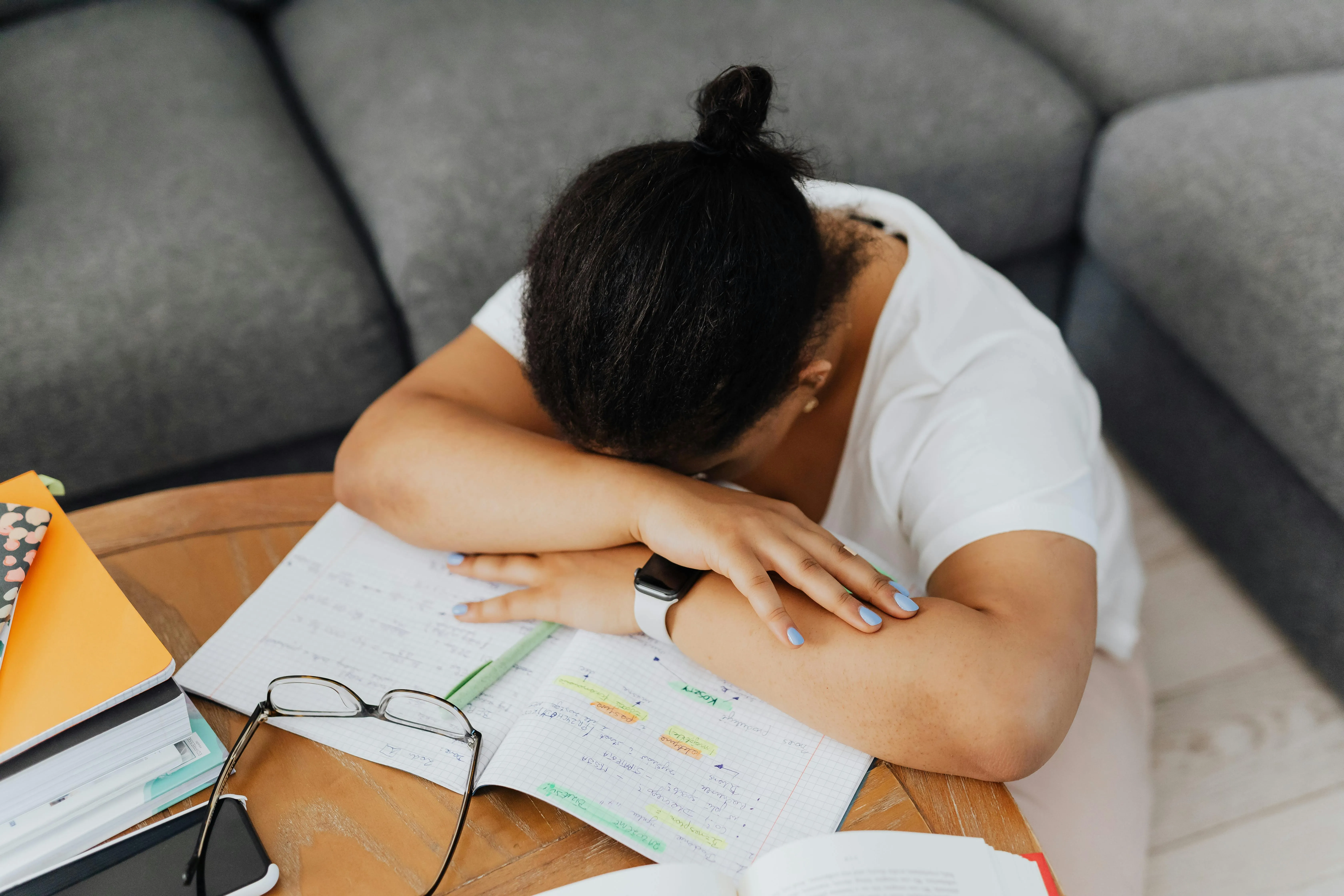
Here is something that surprises a lot of parents: school breaks, including spring break, can actually be harder on teen mental health than regular school weeks. And if your teen struggles with anxiety or depression, an unstructured week off can sometimes make things worse before they get better.
Now this is not a reason to not look forward to spring break. But it is a reason to go into it with your eyes open.
Why Breaks Don’t Always Feel Like a Break
For most teens, school provides something really important beyond academics! Its structure, routine, and most of all social connection! Even when they complain about it, the predictability of a school day gives their brain and nervous system a framework to operate within.
Take that away, even temporarily, and things can get shakey.
Research consistently shows that daily routines play a key role in regulating mood, sleep, and overall mental health in adolescents. Disruptions to routine, especially sleep-wake cycles, are strongly associated with increased symptoms of anxiety and depression (American Academy of Sleep Medicine; National Institute of Mental Health).
Without the natural rhythm of classes, activities, and social interaction, teens are left with a lot of open time and do not always have the tools to fill it in ways that actually feel good. Sleep schedules flip. Meals get irregular. And that creeping sense of “I should be doing something but I don’t know what” can quietly fuel anxiety and low mood.
And then there is the phone. Do not get me started on the phone!
The Spring Break Scroll Problem
Spring break and social media are a particularly tough combination for teens who are already prone to anxiety or low self-esteem.
During a regular school week, your teen’s phone use is naturally interrupted by classes, sports, and obligations. But during spring break, there are no interruptions. What fills that void is often hours of scrolling through highlight reels of everyone else’s seemingly perfect week.
Beach trips. Friend groups. Parties. Vacations. All of it curated, filtered, and posted for maximum impact.
For a teen who is spending break at home or whose social plans fell through, that content does not feel neutral. It feels like evidence. Evidence that everyone else is happier, more connected, and having a better time than they are.
This is not just a feeling. It is backed by data. Studies have linked increased social media use in adolescents with higher rates of anxiety, depression, and social comparison, particularly during periods of unstructured time (Twenge et al., 2018; American Psychological Association, 2023 advisory on social media and youth mental health).
Signs Your Teen Is Struggling During Break
It can be hard to tell the difference between a teen who is just decompressing and one who is genuinely struggling. Here is what to watch for:
- Excessive isolation. Spending the entire break in their room and declining to engage with family or friends.
- Sleep that is completely off the rails. Going to bed at 3am and sleeping until noon. Disrupted sleep both signals and worsens anxiety and depression (CDC, 2022).
- Irritability or emotional flatness. Snapping at small things or seeming disconnected and hard to reach.
- Increased phone use paired with worsening mood. The more they scroll, the worse they seem to feel, but they cannot seem to stop.
- Dread about going back to school. Some anticipation is normal, but overwhelming anxiety about returning can signal something deeper (NIMH).
One or two of these on their own might just be typical spring break behavior. But if you are seeing several at once, or a pattern that shows up every time there is a break, it is worth paying attention.
What Actually Helps
You do not need to schedule every hour of spring break to protect your teen’s mental health. A little intentional structure goes a long way.
Keep Some Routine Intact
You do not have to maintain a full school schedule, but try to preserve anchor points such as consistent wake times, regular meals, and at least one activity outside the house each day. Research shows that even small amounts of daily structure support emotional regulation and sleep stability in teens (AASM; NIMH).
Plan Something to Look Forward To That Does Not Involve a Screen
It does not have to be elaborate. A beach day, a movie, or a short day trip can be enough. The goal is real-world engagement. Behavioral activation, which means doing meaningful activities even when you do not feel like it, is a well-supported strategy for improving mood in teens.
Have an Honest Conversation About Social Media
Not a lecture, a conversation. Ask your teen how they feel after scrolling. The APA recommends helping teens build awareness of how social media impacts their mood rather than relying only on restrictions.
Create Low-Key Connection Opportunities
Teens rarely ask directly for connection, but they respond to it when it is offered casually. Watching a show, grabbing food, or running errands together can increase feelings of support and belonging, both of which are protective factors for teen mental health (CDC; APA).
When to Take It Further
If this spring break feels like a continuation of a longer pattern, if your teen has seemed off for weeks or months, or if their mood is affecting sleep, friendships, or self-esteem, it may be time to bring in outside support.
Early intervention matters. The National Institute of Mental Health emphasizes that addressing symptoms early can reduce the severity and duration of anxiety and depression in adolescents.
Spring is actually a great time to start therapy. There is enough runway left in the school year to build skills before summer and before the next academic transition.
Teen mental health does not have to reach a crisis point before it is worth addressing. If something feels off, trust that instinct.
Spring Break Can Still Be Good
A dip during break does not mean your teen is in a bad place. It may simply mean they need more support navigating unstructured time than they used to.
That is normal. That is workable. And with the right tools, spring break can become what it was supposed to be, a real chance to exhale.
If you are concerned about your teen and are not sure where to start, we are here. Reach out today to talk about how we can help.
Sources
- American Psychological Association (2023). Social Media and Youth Mental Health Advisory
- Twenge, J. M., et al. (2018). Associations between screen time and lower psychological well-being among children and adolescents
- National Institute of Mental Health (NIMH). Teen Depression and Anxiety
- Centers for Disease Control and Prevention (CDC). Adolescent Mental Health and Sleep
- American Academy of Sleep Medicine. Sleep and Teen Health

Is Endless Scrolling Normal? Recognizing TikTok Addiction in Your Teen
Is TikTok addiction hiding behind normal teen scrolling? Learn the warning signs parents miss and small steps that help teens reconnect at home today.

Tampa Teens: 5 Local Spots That Are Actually Good for Your Mental Health This Spring
Getting outside is one of the most underrated tools for teen anxiety and depression. Here are five Tampa Bay spots worth visiting this spring to support your teen's mental health.
Spring Break Scroll: Why Your Teen's Mental Health Might Dip During School Breaks
Spring break isn't always the relief it seems. Learn why your teen's mental health might dip during school breaks and what you can do to help.

.webp)